The AI chip fight is turning into an inference price war
Training gets the spectacle, but production inference is where AI companies feel the recurring bill.
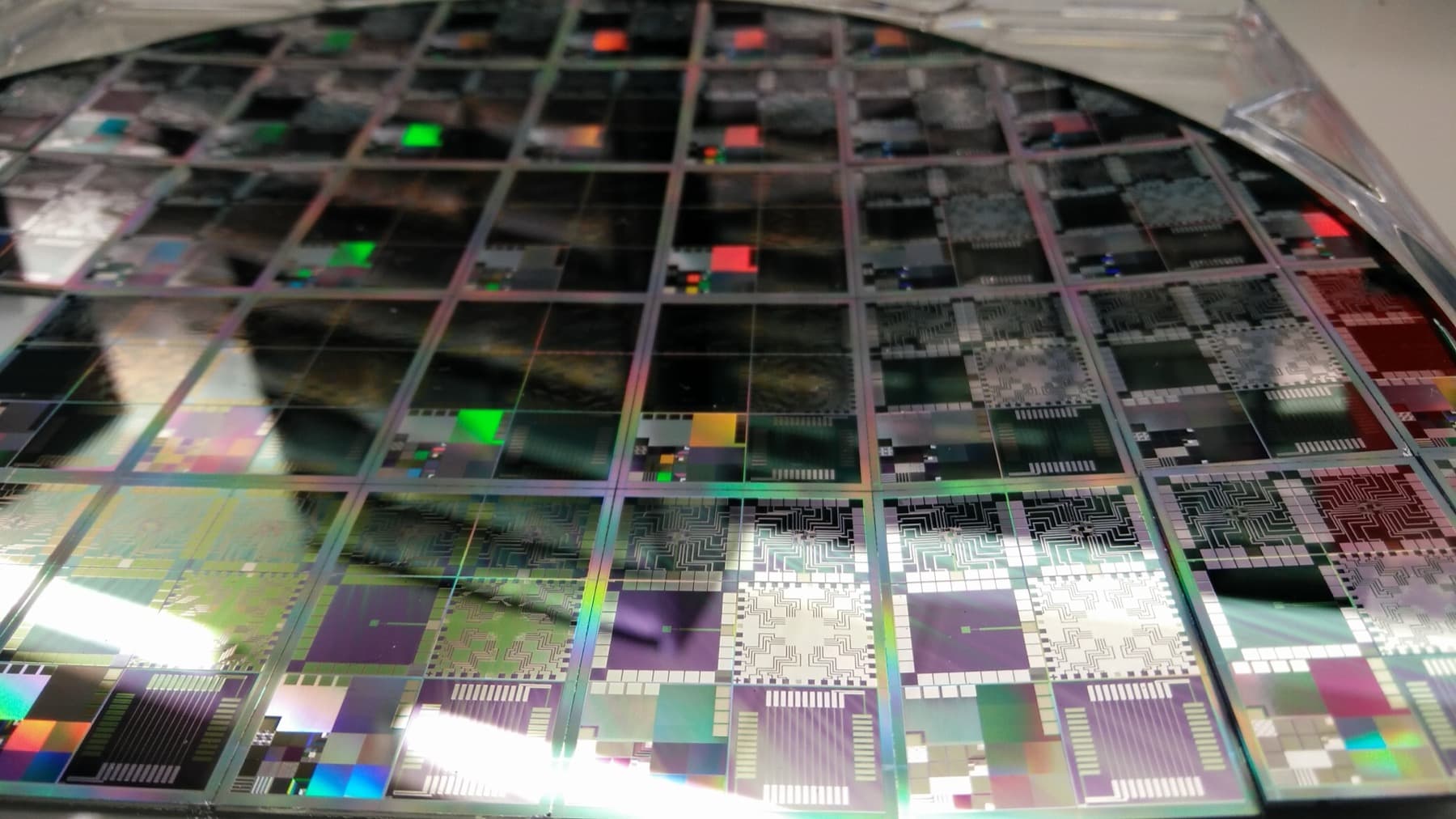
The chip market is shifting from who can train the largest model to who can serve useful AI at the lowest reliable cost.
Serving cost is the real test
A spectacular model demo can hide expensive serving economics. Once a product has users, every query becomes a margin question.
That is why inference chips, compilers, routing layers, and model optimization are becoming more important. They decide whether an AI feature can be used freely or rationed behind credits.
The companies that lower inference cost without degrading quality will shape what AI products can afford to become.
The incumbent advantage is software
Challenging the GPU stack is difficult because developers already know the tools, libraries, and deployment patterns. Hardware alone is not enough.
Alternative chip companies need migration paths, hosted services, compiler support, and proof that common workloads run predictably.
A narrow win can still matter if the workload is expensive and repeatable.
Buyers want optionality
Large AI buyers do not want to depend on one supplier forever. They want cost leverage, regional availability, and a way to place workloads where power and compliance allow.
That creates room for specialized chips and cloud providers that can own a slice of the serving market.
The inference layer may become one of the most competitive parts of the AI stack.