Defense tech is raising like software because it sells scarcity
Anduril's financing momentum captures a broader shift toward startups that combine autonomy, hardware, software, and government demand.
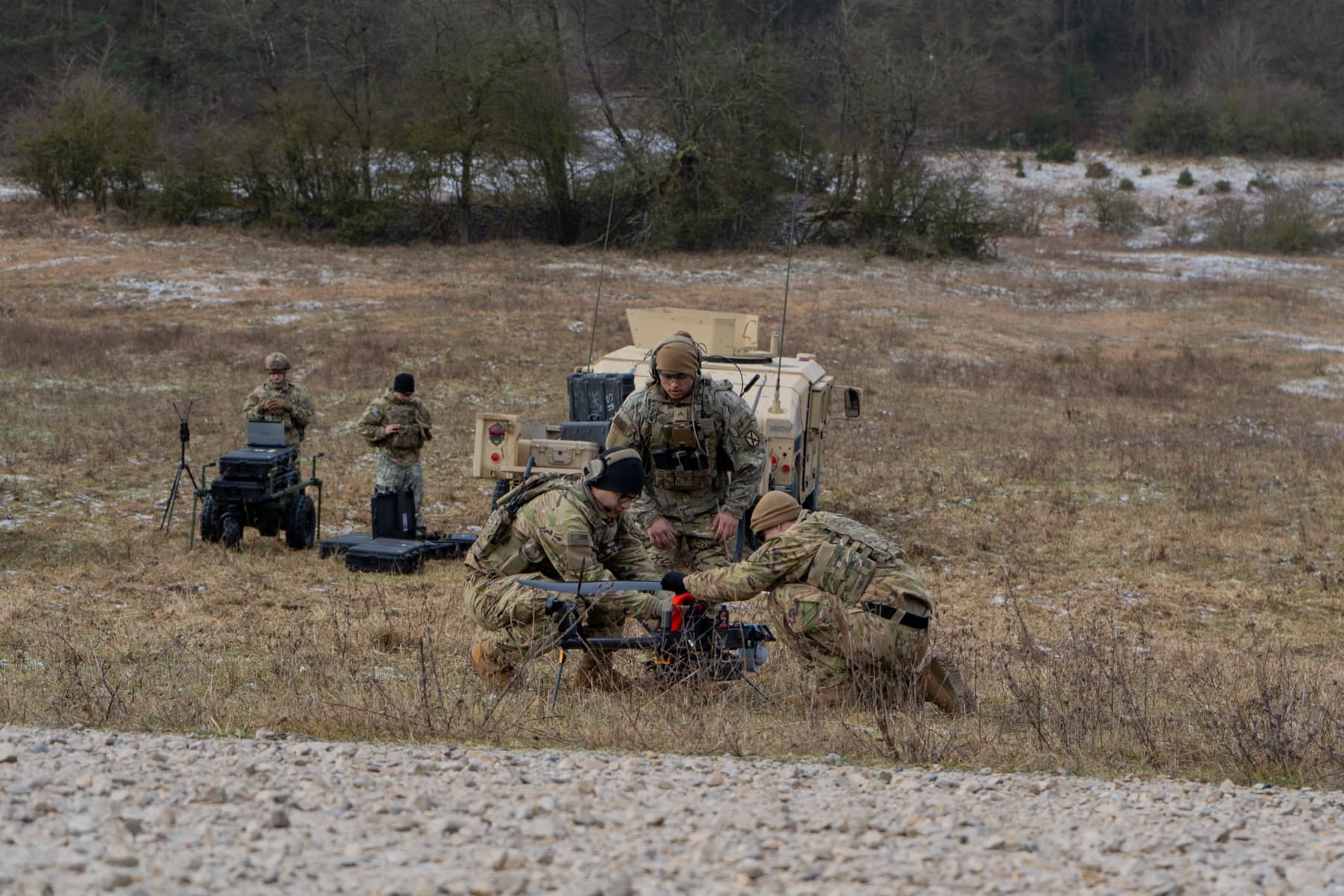
The new defense startup story is not only about drones or sensors. It is about software systems that learn across missions and procurement cycles.
The platform pitch is working
Defense startups once looked too slow and too customer-concentrated for classic venture investors. That perception has changed as autonomy, simulation, and geopolitical urgency made the market feel larger and faster.
The strongest companies are not pitching one piece of hardware. They are pitching a system that can be reused across missions, updated through software, and expanded through procurement relationships.
That is the platform logic investors understand.
Operational difficulty becomes a moat
Building for defense means certification, testing, contracting, supply chains, and real-world reliability. Those constraints can slow a company, but they can also protect it once it works.
A startup that learns how to sell and deploy inside this market gains knowledge that is hard to copy from a pitch deck.
The question is whether the company can keep enough software velocity while operating in a regulated environment.
The valuation risk remains
High valuations assume procurement continues to accelerate and that platform expansion is real. If contracts slow, margins compress, or hardware complexity dominates, the software story can weaken.
For now, capital is rewarding companies that make hard-tech deployment look repeatable.
That makes defense one of the defining startup categories of this cycle.