Why defense startups are suddenly priced like platform companies
Autonomy, simulation, and a more urgent procurement mood are changing the way investors model defense technology.
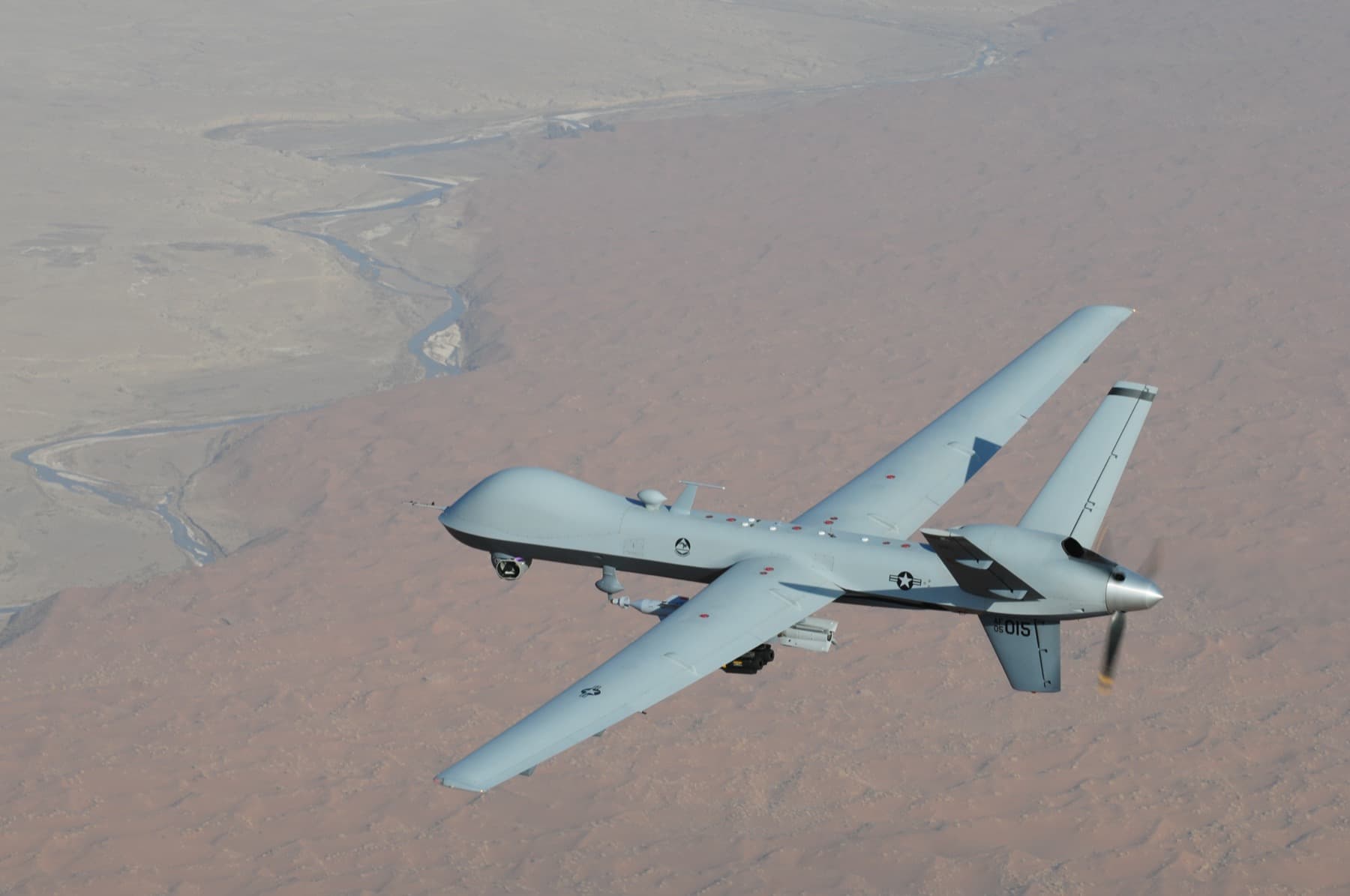
Defense technology is becoming a platform story because software, sensors, simulation, and autonomy can compound across multiple programs.
From project revenue to platform logic
Historically, defense companies were evaluated through program wins and long contract cycles. The newer startup pitch is different: build a common autonomy, sensing, or command layer that can be reused across hardware, missions, and customers.
That platform logic is what venture investors understand. Reusable software can expand margins and make each new deployment smarter than the last.
Simulation is the hidden accelerator
Autonomous systems need endless testing, and real-world testing is expensive. Simulation companies are becoming strategically important because they let teams train, validate, and update systems faster.
That creates a feedback loop: better simulated environments improve autonomy, and better autonomy makes the platform more valuable across more missions.
The risk is still real
Defense startups face procurement delays, policy scrutiny, and concentrated customer risk. The valuations assume that governments keep buying faster and that startups can maintain software-like iteration inside regulated environments.
The opportunity is large, but it is not frictionless. Execution will separate the serious platforms from the funding-cycle stories.