AI data centers are becoming a capital strategy, not a facilities plan
The largest AI infrastructure bets now combine compute, power, land, policy, and sovereign technology goals.
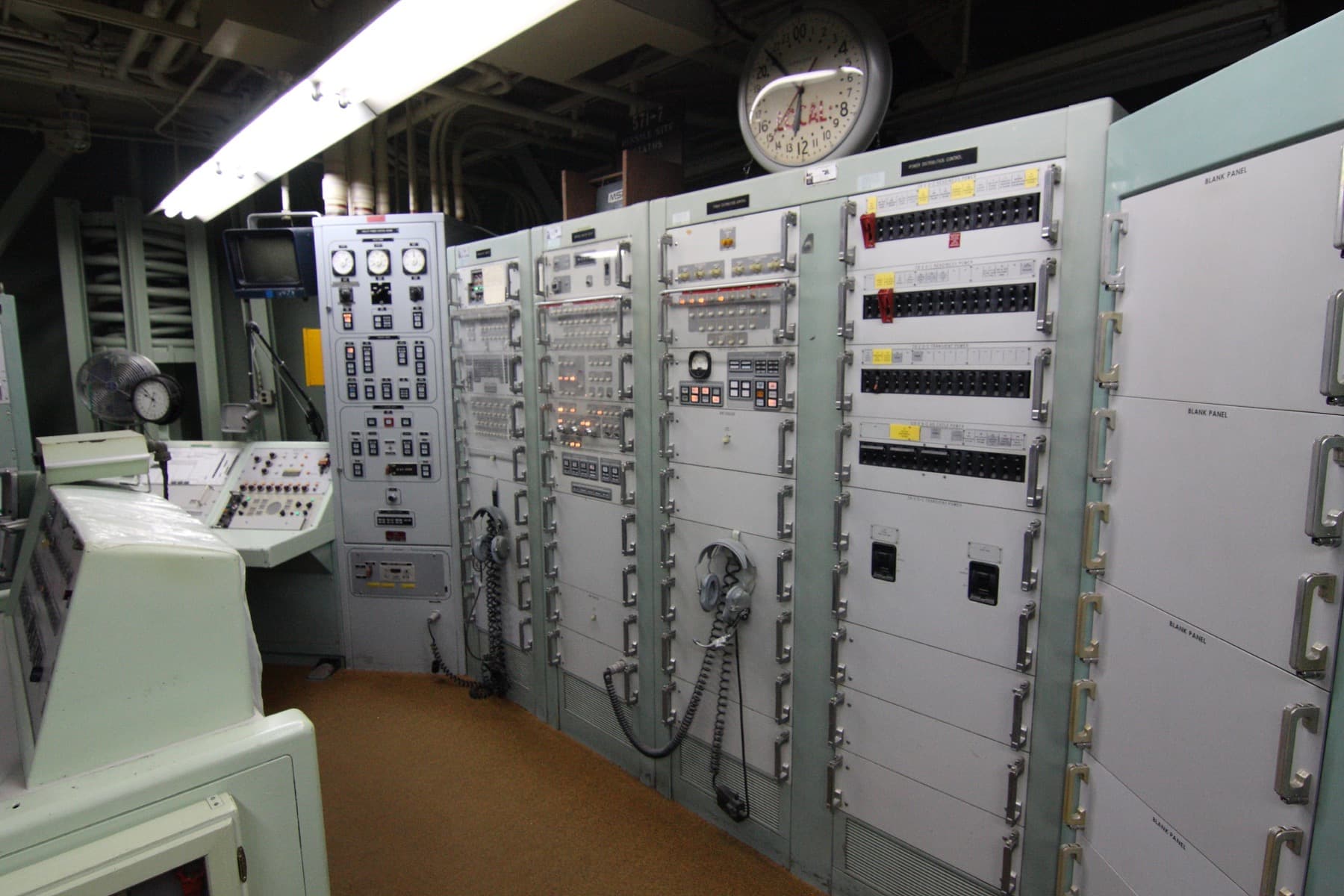
The AI boom is making data-center strategy look less like real estate and more like national industrial planning.
Infrastructure is the new startup input
AI companies can ship software quickly, but the physical stack behind that software is slow, expensive, and constrained by local power. That mismatch is reshaping the market.
Large data-center plans are not just capacity announcements. They are bets on where talent, regulation, energy, and customers will meet over the next decade.
Europe's AI infrastructure push shows how countries are trying to avoid dependence on a small number of foreign cloud regions.
Power decides the roadmap
The limiting resource for AI is often not model ambition. It is electrical capacity in the right geography at the right time.
That puts utilities, substations, cooling systems, water constraints, and grid approvals inside the technology story. A delayed power connection can matter as much as a delayed chip shipment.
Companies that can secure energy and sites early may gain a structural advantage before the first customer workload arrives.
Why founders should care
For AI startups, infrastructure affects pricing, latency, model choice, and product margins. A feature that is impressive in a demo can become expensive at production scale.
The startups that understand compute economics will design products differently. They will cache, route, compress, evaluate, and choose models with margin in mind.
In the AI market, infrastructure literacy is becoming product literacy.