Warehouse robots are turning into software integration deals
The hardware demo is still compelling, but the sale is increasingly won in orchestration, exceptions, and facility software.
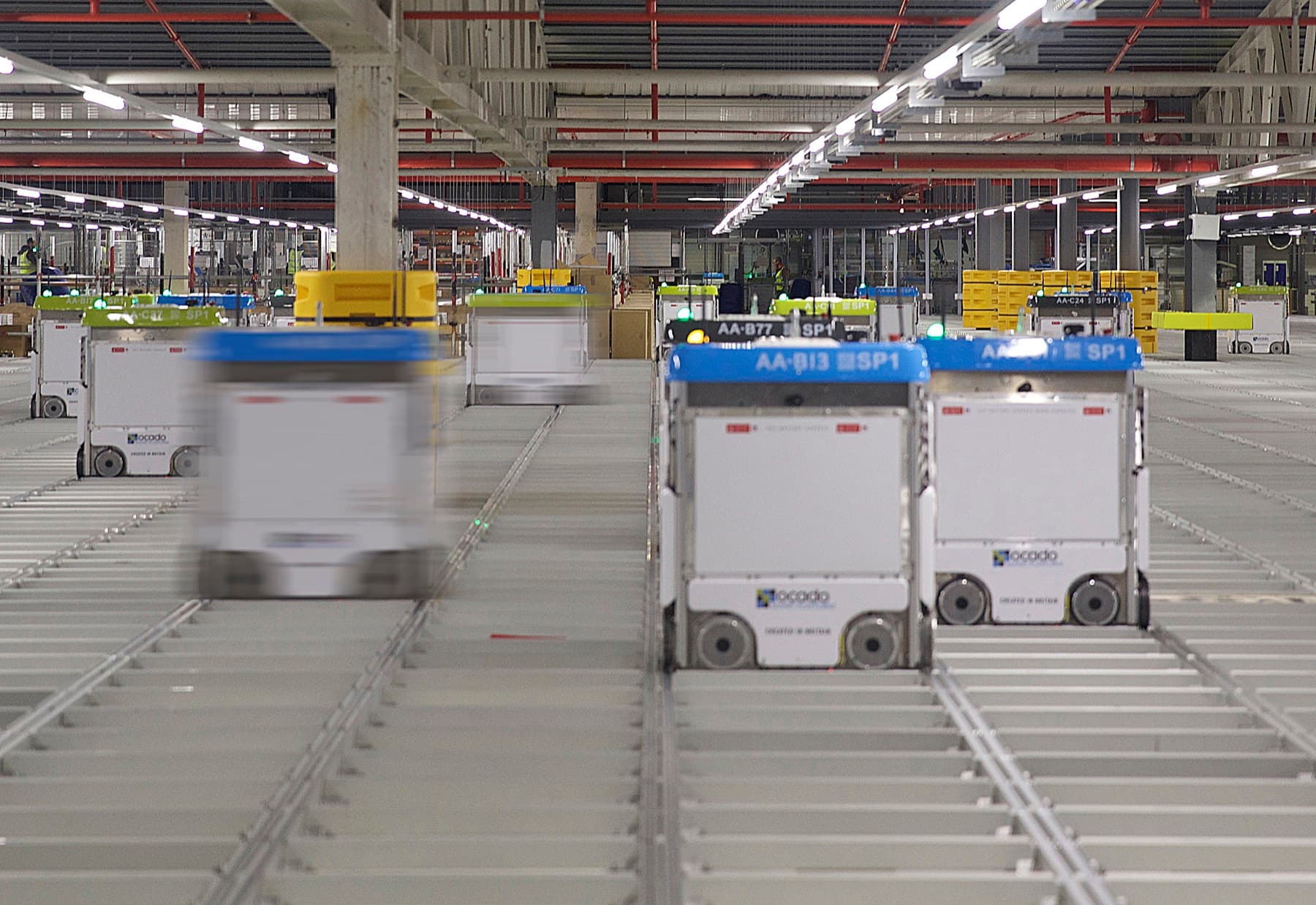
Robots are easier to demo than to deploy. The companies that win warehouses will be the ones that make automation boringly reliable.
The deployment is the product
Warehouse robotics companies can show impressive movement, picking, and navigation. The real customer value arrives when those systems fit existing inventory, labor, safety, and fulfillment workflows.
That makes integration software central. Operators need visibility, scheduling, exception handling, and analytics across mixed environments.
The best robotics startups will sell a system, not a machine.
Exceptions decide ROI
Warehouses are full of odd packaging, blocked aisles, missing bins, rush orders, and human workarounds. A robot that fails gracefully is more useful than one that performs perfectly only in a clean test.
Software that routes exceptions to humans, learns from failures, and keeps the facility moving becomes the margin engine.
The winners will make automation feel operationally calm.
Fleet intelligence compounds
Once robots are deployed across facilities, the data layer becomes valuable. The fleet can reveal bottlenecks, predict maintenance, and improve task allocation.
That is where robotics begins to look like a software business. Each deployment can make the next one better.
The challenge is surviving the messy first deployments long enough for that compounding to matter.